Putting Flavour First
How Reece Sims Is Changing The Way We Taste

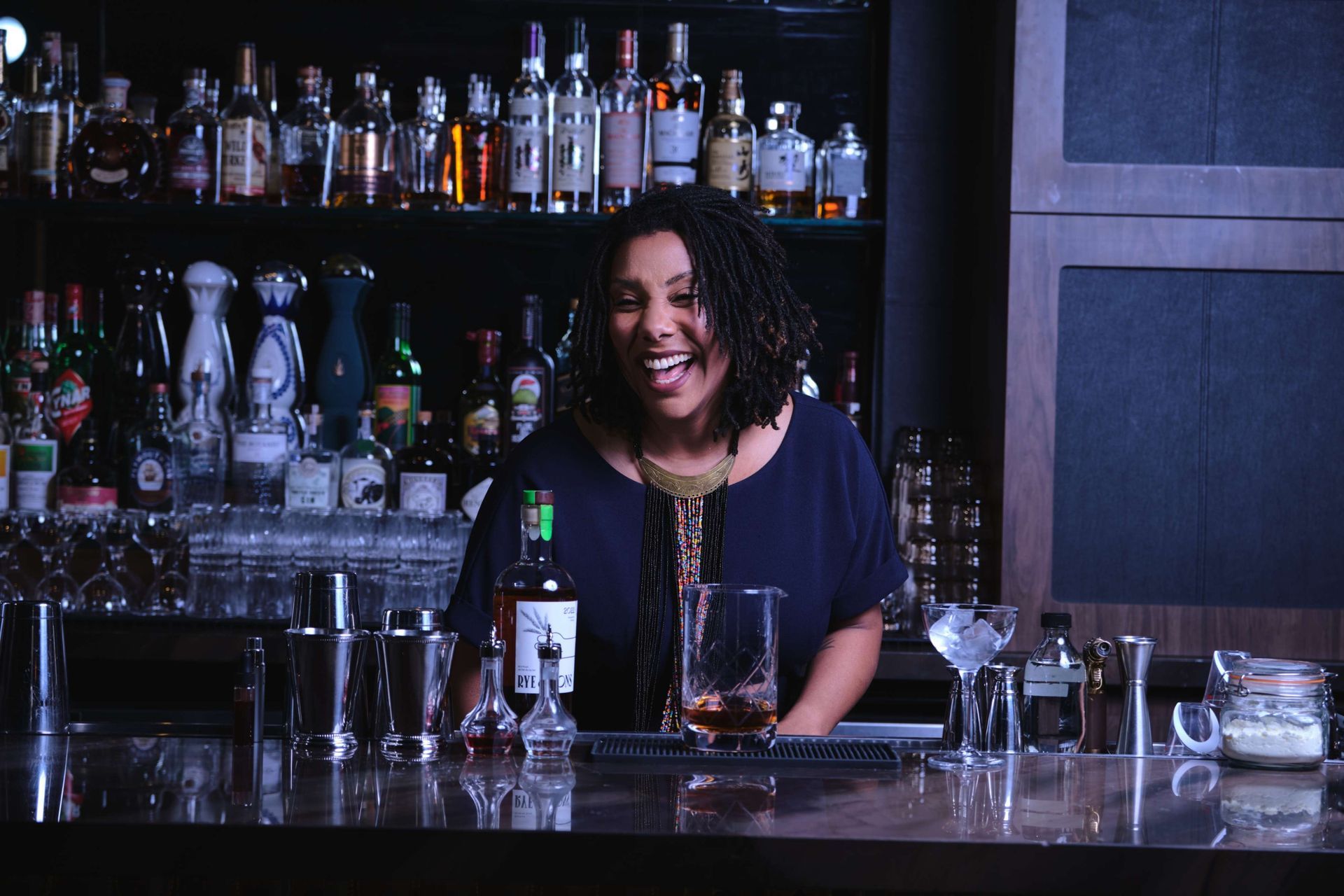
Reece Sims wears black like a uniform, but her work in the spirits world is anything but monochrome. Named the IWSC’s 2025 Emerging Talent in Spirits Communication, she has built an entire ecosystem around helping people understand why things taste the way they do and why that matters.
A former award-winning bartender and on-premise territory manager, Reece’s path to spirits began in marketing and communications, first in fashion and then in architecture. That creative foundation now fuels her trio of ventures: Flavor Camp®, SIP Spirits Consulting Inc., and the Flavour
Report.
Through Flavor Camp®, she teaches people to taste with confidence and curiosity. Through SIP Spirits Consu-lting, she transforms that engagement into market intelligence, giving brands data they can actually use.
And through The Flavour Report, she collaborates with experts to explore the intersection of flavour, culture, and connection proving that a good drink is as much about people as it is about process.
Her mission is simple: to make the spirits world more inclusive, more connected, and more flavour-driven through a universal tasting language that everyone can speak.
Andrea Fujarczuk: What was the "Aha!" moment that made you realize spirit education needed to be less technical and more playful, inclusive, and multi-sensory?
Reece Sims: My “aha” moment probably came after doing my WSET Level 3 in Wine and Spirits. I found the standardized approach to tasting really helpful as it gave me structure and language, but I also felt like something was missing. It was analytical, but not very alive.

When I was younger, I was a big colour-coder and doodler with my notes. I guess I’ve carried that same approach into spirits education. Layering multiple cues (visual, emotional, and sensory) helps people not only learn but retain the technical information in a more natural, human way. I don’t necessarily think spirits education needs to be less technical, I actually love the technical side.
The challenge is presenting that in ways that meet people wherever they are in their tasting journey, from beginner to expert.
Right now, a lot of tastings and educational content are designed for one type of learner. By expanding the cues we use (visual, verbal, sensory, and of course, taste) we make learning feel more inclusive and less intimidating. That’s really what inspired the Flavor Camp® Tasting System. It’s rooted in research and surveying spirits enthusiasts, and it uses the most associated colour cues for each flavour ‘camp’, association icons, and a shared descriptive language that builds across three tiers: the main Flavor Camps, which group spirits by overarching taste profile,
sub-sections that dive into specific flavor families within each camp, and then detailed descriptors that help people build a shared vocabulary for what they’re experiencing.
AF: How is your approach actively breaking down the traditional, intimidating barriers that often surround spirits and wine culture?
RS: A lot of the intimidation in spirits and wine culture comes from how information is presented. It can feel like there’s a “right” way to taste, talk, or even enjoy a drink. My approach breaks that down by making learning participatory, sensory, and fun. When something feels playful, it’s easier to learn and remember.
Some people can get really pretentious with specificity—you’ll hear two people debating whether a whisky tastes like “the backseat of my father’s 1980s station wagon with wet dogs” or “wool mittens after a snowball fight in February.” Personally, I love that level of specificity; it shows real sensory awareness. But I also recognize that for many people, it can feel intimidating or exclusionary. At Flavor Camp®, we try to bridge that gap. For us, that same note might simply start with “funky.” It’s about giving people a shared language that feels approachable while still leaving room for individuality and creativity.
I’ve designed it so that each spirit category has 8 to 15 top-level cues that give people a simple structure to start with. It’s like a dartboard, the goal isn’t to hit the bullseye right away, it’s just to hit the board. Over time, your palate sharpens naturally, and your aim becomes more precise.
AF: How do you measure success in "changing the way people talk about taste"? What shift in language or behavior do you most often observe in your participants?
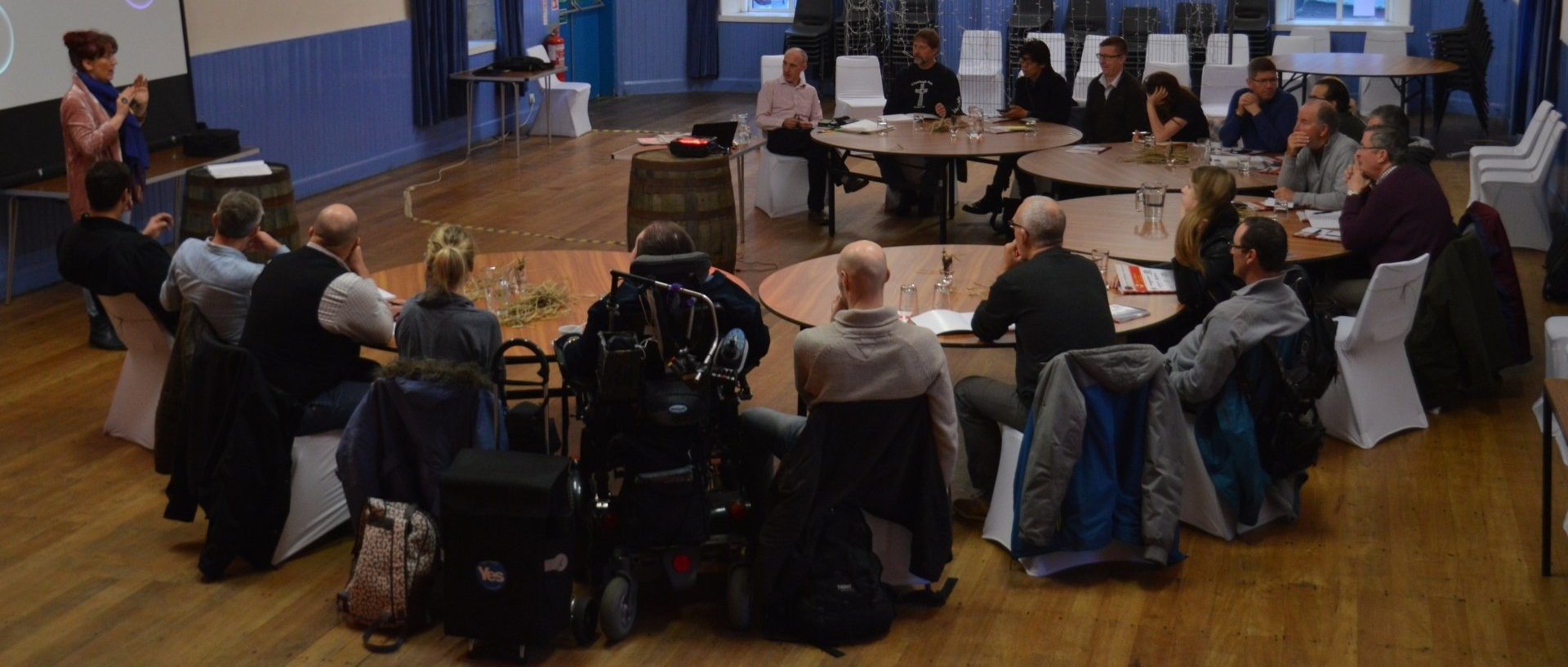
RS: Anecdotally, some of our participants have been attending Flavor Camp® Taste Challenges for several years now, and it’s been amazing to watch their confidence and vocabulary evolve. Part of the fun is that each tasting is blind, and people can guess which spirit they think is which. There are no stakes (no scorekeeping or passing workbooks around) but the friendly competition adds focus and intention. It makes learning feel playful and low-pressure, yet deeply engaging.
This past year was the first time I’ve seen participants get all eight spirits correct in a session. The joy on their faces, realizing they can now identify flavour profiles and articulate what they’re tasting, is incredibly rewarding.
Success, for me, looks like that progression from uncertainty to curiosity to confident expression. When someone starts using the shared, non-branded flavour language we’ve developed, describing spirits in terms of their sensory “camps” instead
of marketing jargon, that’s when I know the system is working. It’s changing not just how people taste, but how they talk about taste, with more clarity and confidence.
To read the full article click here
Share this article